5 Common Tactics Hackers Use to Manipulate Employees

Every day, hackers find new ways to trick employees into giving up sensitive information or access to company systems. These attacks often target people rather than technology, exploiting human nature to bypass security measures. Understanding the common tactics hackers use can help employees recognize threats and protect themselves and their organizations.
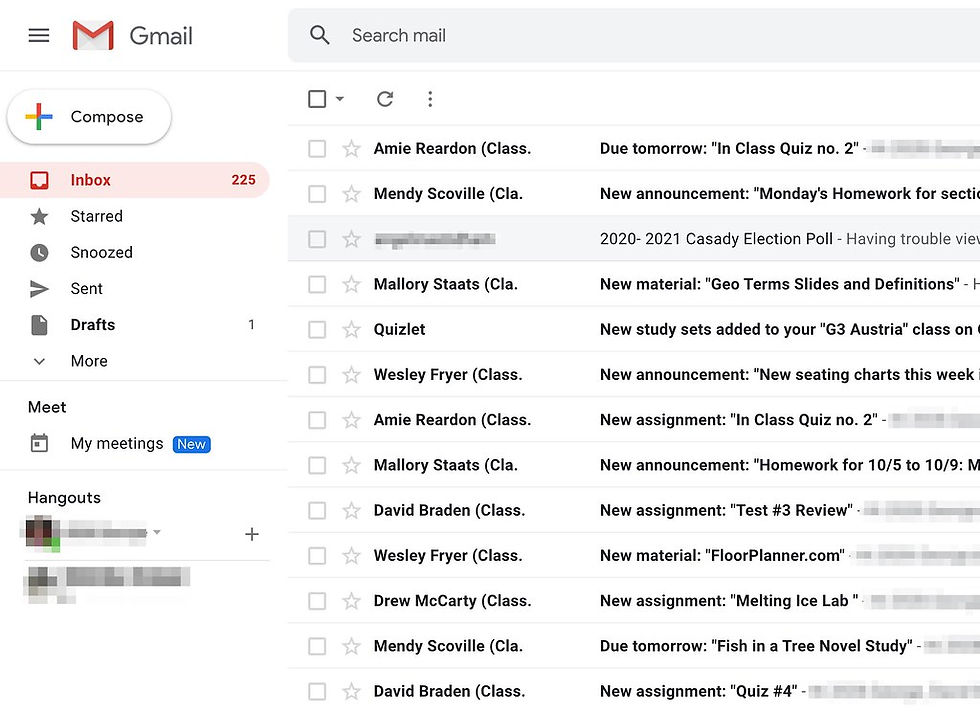
Phishing Emails That Look Real
Phishing remains one of the most common and effective ways hackers manipulate employees. These emails often appear to come from trusted sources like a company executive, IT department, or a familiar vendor. They use urgent language to pressure recipients into clicking links or downloading attachments.
For example, an employee might receive an email that looks like it’s from their manager asking to review an attached invoice immediately. The attachment contains malware that installs itself once opened. Or the email might direct the employee to a fake login page designed to steal their credentials.
Key signs of phishing emails include:
Unexpected requests for sensitive information
Poor grammar or spelling mistakes
Email addresses that don’t match the sender’s name
Links that lead to unfamiliar websites
Employees should always verify suspicious emails by contacting the sender through a separate channel before taking any action.
Pretexting to Gain Trust
Pretexting involves hackers creating a fabricated scenario to trick employees into sharing information. Unlike phishing, which usually happens via email, pretexting often involves phone calls or in-person interactions.
A hacker might call an employee pretending to be from IT support, claiming they need the employee’s password to fix a system issue. Because the request sounds official and urgent, employees may comply without verifying the caller’s identity.
Another example is a hacker posing as a vendor needing payment details to process an order. The employee, wanting to help, might provide bank information or other sensitive data.
To avoid falling for pretexting:
Always verify the identity of anyone requesting sensitive information
Use official contact numbers or email addresses to confirm requests
Never share passwords or personal details over the phone
Baiting With Free Offers or Downloads
Baiting tricks employees by offering something enticing in exchange for information or access. This tactic often involves physical media like USB drives or digital offers such as free software downloads.
For instance, a hacker might leave infected USB drives in common areas, hoping an employee will pick one up and plug it into their computer. Once connected, malware installs automatically, giving the hacker access to the system.
Digital baiting can include fake software updates or free tools that actually contain malicious code. Employees eager to get new features or save money might download these without checking their source.
To protect against baiting:
Avoid plugging unknown USB drives into company devices
Download software only from official websites or trusted sources
Keep antivirus software updated to detect malicious files
Spear Phishing Targeting Specific Employees
Spear phishing is a more targeted form of phishing that focuses on specific individuals or departments. Hackers research their targets to craft personalized messages that are harder to detect as fake.
For example, a hacker might study an employee’s social media profiles to learn about their projects or contacts. Then they send an email that appears to come from a colleague, referencing a recent meeting or shared interest. This makes the message seem legitimate and increases the chance the employee will respond.
Spear phishing can lead to serious breaches because it often targets employees with access to sensitive data or financial systems.
Ways to defend against spear phishing include:
Being cautious with unexpected emails, even if they seem personal
Confirming requests for sensitive actions through a different communication method
Reporting suspicious messages to the IT department immediately
Exploiting Password Habits
Many employees use weak or reused passwords, making it easier for hackers to gain access through credential theft or guessing. Hackers exploit this by using stolen password lists from previous breaches to try logging into company accounts.
Once inside, they can move laterally through systems, steal data, or cause damage. Employees may not realize their credentials were compromised until it’s too late.
Improving password security helps prevent this tactic:
Use strong, unique passwords for each account
Enable multi-factor authentication whenever possible
Change passwords regularly and avoid sharing them
Staying Vigilant Protects Everyone
Hackers rely on human error to bypass technical defenses. By understanding these common tactics, employees can spot suspicious activity and avoid falling victim. Simple habits like verifying requests, being cautious with emails, and using strong passwords make a big difference.


Comments